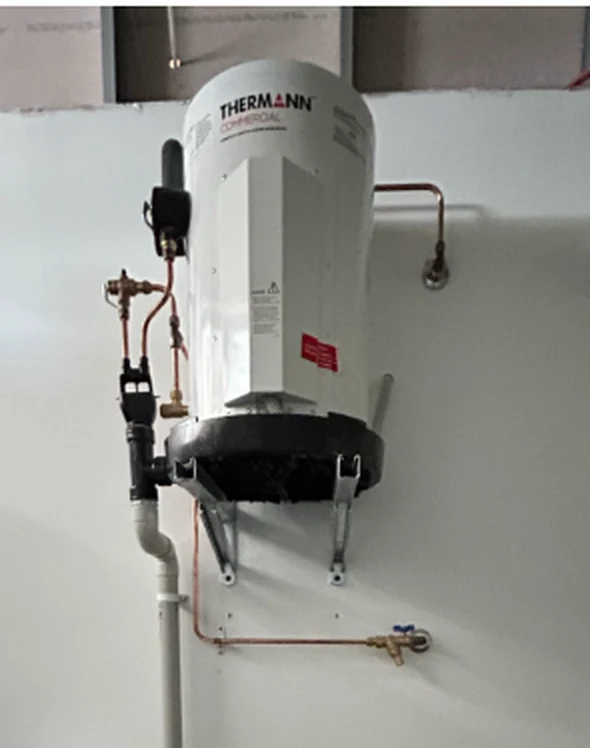
When you turn on the shower on a chilly Gold Coast morning, you expect instant, reliable heat. But like all hardworking appliances, your hot water unit is on a ticking clock. If you are wondering exactly how long do hot water systems last, the answer depends heavily on the type of system you own, how well it has been maintained, and crucially, where you live on the coast.
Here on the Gold Coast, our environment presents unique challenges. The combination of coastal salt air, high humidity, and local water quality can significantly accelerate wear and tear on plumbing fixtures. A system that might survive fifteen years in a dry, inland climate could start showing serious signs of corrosion much earlier in suburbs like Palm Beach or Mermaid Beach. As a local plumber with over eighteen years of experience, I have seen firsthand how the coastal environment impacts these essential units.
In this guide, we will break down the realistic lifespan of different hot water systems, explain the hidden factors that cause premature failure, and provide a clear framework to help you decide whether to repair or replace your aging unit. Whether you are dealing with a sudden breakdown in Labrador or planning an upgrade in Robina, understanding these timelines can save you from unexpected cold showers and costly emergency call-outs.
Average Lifespan By Hot Water System Type
Not all hot water systems are built the same, and their expected lifespans vary significantly based on their technology and materials. While manufacturer warranties provide a baseline, real-world longevity often differs. Here is a realistic breakdown of how long you can expect different types of systems to last on the Gold Coast, assuming regular maintenance.
| System Type | Expected Lifespan | Common Failure Points |
|---|---|---|
| Electric Storage | 10 to 15 years | Rusted tanks, failed heating elements, blown thermostats |
| Gas Storage | 8 to 12 years | Tank corrosion, faulty pilot lights, burner issues |
| Continuous Flow (Gas) | 15 to 20 years | Heat exchanger scaling, electronic ignition failure |
| Heat Pump | 10 to 15 years | Compressor wear, refrigerant leaks, fan motor failure |
| Solar (Roof Mounted) | 10 to 15 years | Panel degradation, pump failure, rusted storage tanks |
It is important to note that these are average ranges. A high-quality continuous flow system installed in a protected location in Biggera Waters might easily exceed twenty years, while a budget electric storage tank exposed to the elements in a beachfront property might struggle to reach its tenth birthday.
The Gold Coast Salt-Air Problem
One of the biggest factors affecting hot water system lifespan on the Gold Coast is our coastal environment. If you live within a few kilometres of the ocean—particularly in suburbs like Palm Beach, Mermaid Beach, or Runaway Bay—your system is constantly exposed to salt-laden air.
Salt is highly corrosive to metal. When salt air settles on the exterior casing of a hot water unit, it accelerates rust and degradation. This is especially problematic for traditional storage tanks, which are often installed outdoors. Over time, the casing can rust through, exposing the internal insulation and eventually compromising the tank itself.
Furthermore, the local water quality plays a role. While Gold Coast water is generally of good quality, the constant heating and cooling cycle inside a storage tank causes naturally occurring minerals to precipitate out and settle at the bottom. This sediment buildup can insulate the water from the heating element, forcing the system to work harder, consume more energy, and ultimately fail sooner.
The Unsung Hero: The Sacrificial Anode
If you own a storage tank system (either gas or electric), there is a hidden component working tirelessly to extend its life: the sacrificial anode. This is a long metal rod, typically made of magnesium or aluminium, suspended inside the tank.
The anode's job is literal sacrifice. Through a process called galvanic corrosion, the corrosive elements in the water attack the anode rod instead of the steel walls of your tank. As long as the anode is intact, your tank is protected from rusting from the inside out.
However, sacrificial anodes do not last forever. In typical Gold Coast conditions, an anode will be completely depleted within three to five years. Once the anode is gone, the water immediately begins attacking the tank itself. This is why a tank that has never been serviced will often burst or leak right around the five-to-seven-year mark. Replacing the anode is a straightforward, inexpensive maintenance task that can easily double the lifespan of your hot water system.
Essential Servicing Schedule
To get the maximum lifespan out of your hot water system, regular servicing is non-negotiable. Just like you wouldn't drive your car for ten years without changing the oil, you shouldn't ignore your hot water unit. Here is a recommended servicing schedule for Gold Coast homes:
Every Six Months: You should visually inspect the system yourself. Look for any signs of rust on the casing, check the ground around the unit for unexplained dampness, and gently lift the lever on the Temperature Pressure Relief (TPR) valve. The TPR valve is a critical safety device that releases excess pressure; lifting the lever should release a short burst of water. If it is stuck or constantly weeping, it needs professional attention.
Every Three to Five Years: This is when you need a licensed plumber. A comprehensive service should include replacing the sacrificial anode (for storage tanks), replacing the TPR valve, checking the heating elements or gas burners, and flushing the tank to remove accumulated sediment. For continuous flow systems, the heat exchanger should be checked for scale buildup and the gas pressure verified.
Regular maintenance not only extends the life of the system but also ensures it runs efficiently, keeping your energy bills in check. If you need help setting up a maintenance schedule, you can learn more about our hot water systems Gold Coast services.
Warning Signs Your System Is Failing
Hot water systems rarely fail without warning. If you know what to look for, you can often catch a failing system before it leaves you with a flooded garage or a freezing shower. Keep an eye out for these common warning signs:
Inconsistent Water Temperature: If your showers are fluctuating between hot and cold, or if the water simply isn't getting as hot as it used to, the heating element or thermostat is likely failing.
Discoloured or Smelly Water: Brown, rusty-looking water coming from the hot tap is a strong indicator that the inside of your tank is corroding. A metallic smell or a rotten egg odour can also point to a depleted anode or bacterial growth inside the tank.
Strange Noises: A healthy hot water system should operate relatively quietly. If you hear popping, banging, or rumbling noises coming from the tank, it is usually the sound of water boiling underneath a thick layer of hardened sediment at the bottom of the tank.
Visible Leaks or Rust: Any pooling water around the base of the unit, or visible rust streaks on the exterior casing, should be investigated immediately. A leaking tank cannot be repaired and must be replaced.
Repair vs. Replace: Making the Right Call
When your hot water system starts acting up, the biggest question is whether to pay for a repair or invest in a completely new unit. As a general rule, if your system is nearing the end of its expected lifespan (e.g., an electric tank over ten years old) and requires a major repair, replacement is usually the most cost-effective option.
Here is a practical framework to help you decide, along with realistic 2026 Gold Coast price ranges:
When to Repair:
- The system is relatively new (under five years old).
- The issue is a minor, replaceable component, such as a blown thermostat, a faulty TPR valve, or a broken heating element.
- The tank itself is completely sound, with no signs of internal or external rust.
- Typical repair costs: Minor repairs typically range from $150 to $350, depending on the parts required.
When to Replace:
- The system is past its expected lifespan.
- The tank is leaking. A leaking cylinder cannot be patched or welded; it is structurally compromised.
- The cost of the repair is more than 50% of the cost of a new system.
- You are experiencing frequent, recurring breakdowns.
- Typical replacement costs: A standard electric storage replacement typically ranges from $1,200 to $1,800 fully installed. Upgrading to a high-efficiency heat pump or continuous flow gas system will cost more upfront (often $2,500 to $4,500), but can offer significant long-term energy savings.
If you are unsure which route to take, our team can provide an honest assessment and upfront pricing. We specialise in fast, reliable hot water repairs Gold Coast and can help you make the best decision for your home and budget.
Frequently Asked Questions
How often should I service my hot water system?
For storage tank systems, you should have a professional service every three to five years to replace the sacrificial anode and TPR valve. Continuous flow systems should also be checked every few years to ensure the gas burners and heat exchangers are operating safely and efficiently.
Why is my hot water running out so quickly?
If you are suddenly running out of hot water, it could be due to a faulty heating element, a broken dip tube (which mixes cold water with the hot), or a buildup of sediment in the tank reducing its overall capacity. It may also simply be that your household's hot water demand has outgrown the size of the system.
Can a leaking hot water tank be repaired?
No. If the actual cylinder of a storage tank is leaking, it means the metal has rusted through and the structural integrity is compromised. The entire unit must be replaced. However, if the leak is coming from a valve or a pipe connection, those specific parts can often be repaired or replaced.
Are heat pumps worth the extra upfront cost?
In many cases, yes. Heat pumps are incredibly energy-efficient, drawing heat from the ambient air rather than generating it directly. While they cost more to install initially, they can reduce your hot water heating costs by up to 70%, meaning they often pay for themselves over their lifespan, especially with current government rebates available in Queensland.
Does salt air really affect my hot water system?
Absolutely. The corrosive nature of coastal salt air can significantly accelerate rust on the exterior casing of outdoor units. If you live near the beach, it is crucial to regularly wash down the exterior of the unit and ensure any scratches or chips in the enamel are touched up to prevent rust from taking hold.
Need Expert Hot Water Advice on the Gold Coast?
Dealing with a failing hot water system is frustrating, but you don't have to figure it out alone. At Creative Coast Plumbing & Gas, we bring over 18 years of local experience to every job. Whether you need a fast repair in Labrador, a sacrificial anode replacement in Runaway Bay, or a complete system upgrade, we provide straight-talking advice, upfront written pricing, and expert workmanship.
We are fully QBCC licensed, insured, and equipped to handle all types of hot water systems. Don't wait for a cold shower to force your hand. Call Nic today on 0485 090 185 to book an inspection or discuss your hot water needs.
Sound familiar?
Get It Checked Before It Gets Expensive
Same-day leak detection across the Gold Coast — found, fixed and reported in one visit.