If you are gearing up for a bathroom or kitchen renovation on the Gold Coast, you are likely dreaming of sleek tapware, frameless shower screens, and perhaps a freestanding tub. But before you swing that sledgehammer and start tearing up tiles in your Palm Beach or Burleigh Heads home, there is a critical element that dictates the success, timeline, and budget of your entire project: the bathroom renovation plumbing.
At Creative Coast Plumbing & Gas, we have seen it all. From beautifully executed, stress-free transformations to absolute nightmares where DIY renovators have hit a water main or discovered their new layout is physically impossible without tearing up a concrete slab. The truth is, the plumbing dictates what is possible in your renovation. It is the invisible skeleton that makes your beautiful new fixtures actually work.
This guide is designed to be your ultimate resource for navigating the plumbing side of your Gold Coast renovation. We will walk you through the correct sequencing of trades, the realistic costs of moving fixtures, the hidden traps in older Gold Coast homes, and the strict Queensland compliance rules you need to follow. Whether you are updating a tired 1980s unit in Miami or building a modern masterpiece in Hope Island, read this before you demolish.
The Correct Renovation Sequence (And Where DIYers Get It Wrong)
One of the most common mistakes we see from enthusiastic DIY renovators is getting the sequence of trades completely backwards. Plumbing is not a single step in a renovation; it happens in distinct phases that must coordinate perfectly with your builder, electrician, and tiler. Getting this order wrong can mean ripping up freshly laid waterproofing or paying trades to wait around.
Here is the correct sequence for a bathroom or kitchen renovation:
1. Design and Planning
Before any demolition starts, you need a finalised layout. This is when you consult with your plumber to determine if moving the toilet across the room is actually feasible and what it will cost. Once the design is locked in, you order your fixtures (tapware, baths, sinks) because your plumber needs the exact specifications for the rough-in.
2. Demolition and Strip Out
This is where the old fixtures, tiles, and wall linings are removed. Your plumber will typically come in right before or during this stage to cap off the existing water and gas lines safely, ensuring you don't flood the house while ripping out the old vanity.
3. The Rough-In
This is the heavy lifting of bathroom renovation plumbing. With the walls open and the floor exposed, your plumber will install the new water supply lines, drainage pipes, and gas lines (if you are doing a cooktop conversion, see our gas fitting Gold Coast services). They will position the pipes exactly where your new fixtures will go.
4. Wall Linings and Waterproofing
Once the rough-in is complete and tested, the walls are sheeted (usually with Villaboard) and the waterproofing is applied. Crucial note: In Queensland, waterproofing must be done by a licensed professional who provides a Form 4 certificate. Do not let anyone touch the plumbing once the waterproofing is done, or you risk compromising the seal.
5. Tiling and Cabinetry
The tiler works their magic, and the cabinetry (vanities, kitchen islands) is installed.
6. The Fit-Off
This is the final plumbing stage. Your plumber returns to install the actual fixtures—connecting the taps, toilets, sinks, and showerheads to the pipes they roughed in weeks ago. They will test everything to ensure there are no leaks and that the water pressure is spot on.
Moving Fixtures: What It Actually Involves (And Costs)
The biggest question we get asked is, "Can I move the toilet/shower/sink over there?" The answer is almost always yes, but the cost and complexity depend entirely on your home's construction.
Timber Floor vs. Concrete Slab
If your home is built on stumps with a timber floor (common in older Mermaid Beach or Southport homes), moving plumbing is relatively straightforward. Your plumber can crawl underneath the house, reroute the drainage and water lines, and drill new holes through the floorboards.
However, if your home is built on a concrete slab, moving fixtures is a much bigger job. To relocate a toilet or shower drain, we have to cut a trench into the concrete slab, lay the new PVC drainage pipes, ensure the correct fall (slope) for gravity drainage, and then concrete over the trench.
Realistic Gold Coast Pricing Scenarios (2026)
To give you an idea of what to expect, here are some typical, realistic AUD cost ranges for common renovation plumbing tasks on the Gold Coast. Keep in mind that these are estimates, and every job is unique.
| Renovation Scenario | Typical Cost Range (AUD) | What's Involved |
|---|---|---|
| Like-for-Like Swap | $800 – $1,500 | Keeping all fixtures in the exact same location. Includes capping off, rough-in adjustments, and final fit-off of new fixtures. |
| Minor Layout Changes (Timber Floor) | $1,500 – $2,800 | Moving a vanity or shower a short distance. Easy access under the floor makes drainage relocation simpler. |
| Major Layout Changes (Concrete Slab) | $3,500 – $6,000+ | Moving a toilet or shower across the room. Requires concrete cutting, trenching, laying new drainage, and re-concreting. |
| Kitchen Sink Relocation (Island Bench) | $1,200 – $2,500 | Running new water and drainage lines to a central island bench, often requiring slab work or creative routing. |
Note: These prices are for the plumbing labour and rough-in materials only. They do not include the cost of your tapware, toilets, or baths.
The Pre-1990s Trap: Galvanised Pipes and Old Copper
If you are renovating a home in the classic Gold Coast "reno belt" (suburbs like Palm Beach, Miami, or Burleigh Heads) built before the 1990s, you need to be prepared for what might be hiding behind the walls.
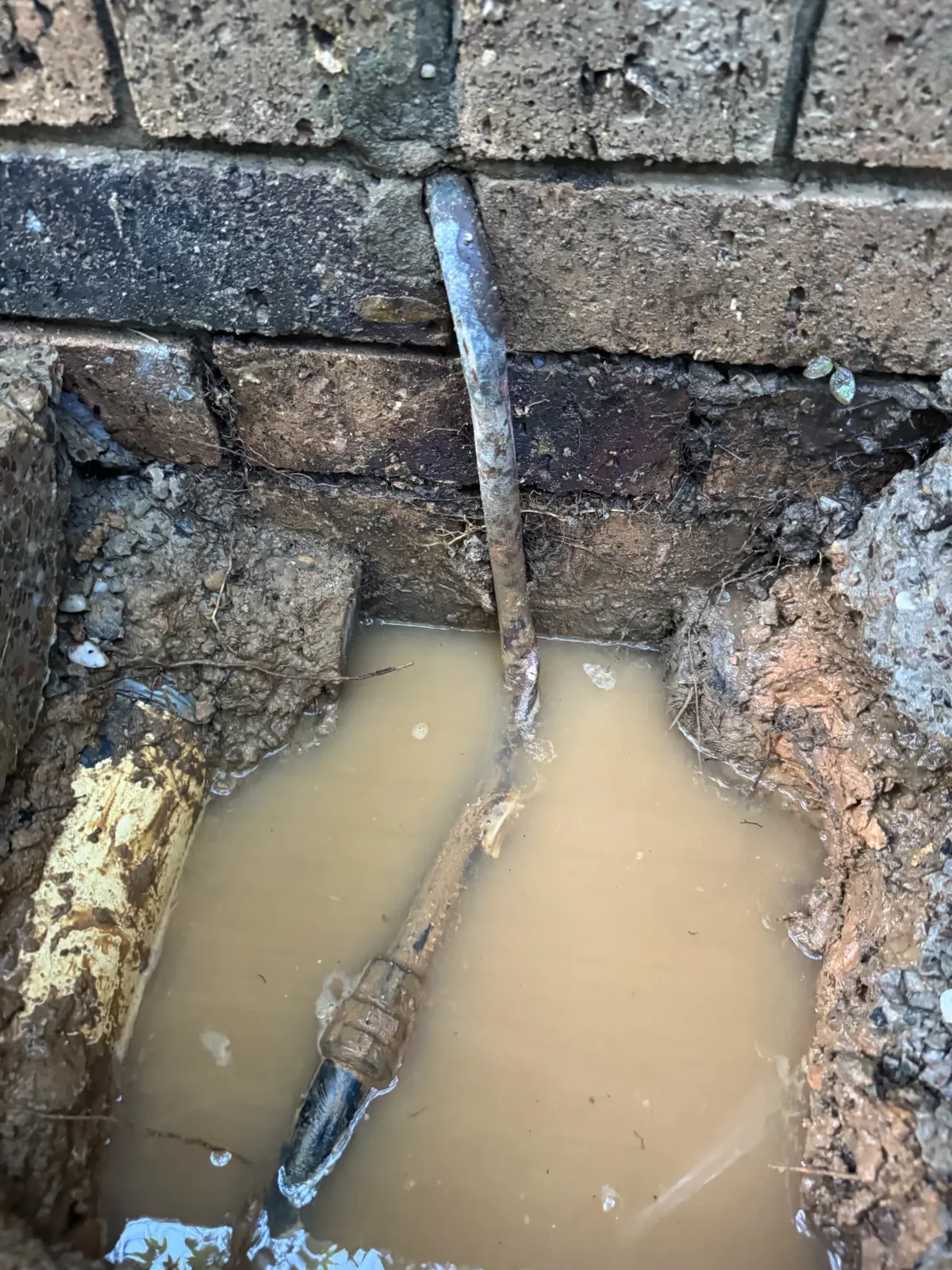
Many of these older homes were plumbed with galvanised steel pipes or early-generation copper. Over decades, galvanised pipes rust from the inside out, severely restricting water pressure and eventually springing leaks. Old copper pipes can suffer from pitting corrosion or have degraded joints.
When you open the walls for a renovation, it is the perfect—and sometimes only—time to replace this aging infrastructure. If you simply connect shiny new tapware to 40-year-old rusted pipes, you are asking for a burst pipe to ruin your brand-new bathroom a year down the track. At Creative Coast Plumbing & Gas, we always assess the condition of your existing pipework during the planning stage and will advise if a partial or full repipe is necessary to protect your investment. If you suspect you already have hidden leaks, our leak detection specialists can investigate before you start.
Queensland Compliance: Why Certificates Matter
In Queensland, plumbing is heavily regulated to protect public health and safety. It is illegal to undertake regulated plumbing work without a QBCC (Queensland Building and Construction Commission) licence.
The Form 4 and Compliance Certificates
When a licensed plumber completes regulated work (like moving drainage or installing a new hot water system), they must issue a Form 4 (Notifiable Work) to the QBCC and provide you with a copy. This certificate proves that the work was done by a licensed professional and meets the Australian Standards (AS/NZS 3500).
Why does this matter? Two main reasons:
- 1. Insurance: If a DIY plumbing job fails and floods your home, your home insurance will almost certainly deny the claim if you cannot produce a compliance certificate for the work.
- 2. Selling Your Home: When it comes time to sell, savvy buyers and building inspectors will ask for the certificates for any major renovations. Uncertified plumbing can hold up a sale or force you to drop your asking price.
Waterproofing Certification
Similarly, waterproofing in Queensland must be completed by a licensed professional who issues a certificate. A leaking shower is one of the most common and destructive defects in a home. If your waterproofing fails and rots the structural timber, fixing it requires completely demolishing the bathroom and starting again. Never cut corners on waterproofing.
Working in Strata and High-Rise Buildings
Renovating a unit in a high-rise in Southport or a townhouse complex in Hope Island adds another layer of complexity. You are not just dealing with your own plumbing; you are dealing with the building's shared infrastructure.
Before you start, you must get body corporate approval. The body corporate will usually require detailed plans and confirmation that you are using licensed trades.
Key considerations for strata renovations:
- Acoustic Ratings: If you are changing flooring or moving pipes, you may need to install acoustic lagging (soundproofing) around the pipes so your neighbours don't hear every time you flush the toilet.
- Core Hole Drilling: If you need to move a drain, you may need to drill a new "core hole" through the concrete slab. This requires structural engineering approval and body corporate permission, as you are drilling through the building's structural floor.
- Water Shut-Offs: To do the rough-in, your plumber will need to shut off the water. In some older buildings, this means shutting off the water to the entire floor or even the whole building. This requires strict coordination and notice to the body corporate and other residents.
Your Pre-Demolition Plumbing Checklist
Before you grab the sledgehammer, make sure you have ticked off these crucial steps:
- 1. Finalise the Layout: Have your exact design locked in, knowing where every fixture will go.
- 2. Consult a Licensed Plumber: Have us inspect the site to confirm your layout is feasible and provide a realistic quote for the rough-in and fit-off.
- 3. Order Your Fixtures: Have the specifications (or the actual items) ready for the plumber before the rough-in begins.
- 4. Check the Pipework: If your home is pre-1990, budget for potential pipe replacement.
- 5. Get Approvals: If you are in a strata complex, secure body corporate approval in writing.
- 6. Locate the Mains: Know exactly where your water main and gas meter are located so they can be shut off quickly in an emergency.
- 7. Plan for the Unexpected: Have a contingency budget of 10-15% for hidden surprises behind the walls.
Frequently Asked Questions
Do I need council approval for a bathroom renovation on the Gold Coast?
Generally, if you are keeping the renovation within the existing footprint of the house and not adding a new bathroom or moving structural walls, you do not need full council building approval. However, the plumbing work itself must be done by a licensed plumber who will lodge the required Notifiable Work (Form 4) with the QBCC.
Can I do my own plumbing to save money?
In Queensland, it is illegal to perform regulated plumbing work without a licence. This includes moving pipes, installing new drainage, or doing gas work. DIY plumbing not only risks massive water damage but will also void your home insurance and cause major issues when you try to sell the property. Stick to painting and flat-pack assembly!
How long does the plumbing take in a bathroom renovation?
The plumbing is split into stages. The initial disconnection takes a few hours. The rough-in usually takes 1-2 days depending on complexity (more if concrete cutting is involved). The final fit-off takes about a day. However, these stages are spread out over the 3-4 week duration of the entire renovation project.
Can I move my kitchen sink to an island bench?
Yes, but it requires careful planning. We need to run both water supply lines and a drainage pipe to the island. If you are on a concrete slab, this means cutting a trench in the floor. We also need to ensure the drainage pipe has enough fall to connect to the main sewer line.
What should I do if I find old galvanised pipes during demolition?
If you uncover galvanised pipes, the best course of action is to replace them with modern PEX or copper piping while the walls are open. Leaving them in place is a ticking time bomb for low water pressure, rusty water, and eventual leaks that will ruin your new renovation.
Ready to Start Your Gold Coast Renovation?
A successful bathroom or kitchen renovation comes down to expert planning and flawless execution. Don't let hidden plumbing issues or compliance failures derail your dream project.
At Creative Coast Plumbing & Gas, we bring 18+ years of experience to every renovation. We provide upfront written pricing, work seamlessly with your other trades, and ensure every pipe, drain, and fixture is installed to the highest standard and fully certified. Whether you need a simple fixture swap or a complex slab trenching job, we have the expertise to get it done right the first time.
If you are planning a renovation in Palm Beach, Burleigh Heads, Miami, Mermaid Beach, Southport, Hope Island, or anywhere on the Gold Coast, call Nic and the team today on 0485 090 185 to discuss your project. Let's make sure your plumbing is as perfect as your new tiles. For more information on our other services, check out our bathroom and kitchen plumbing Gold Coast page or learn about our advanced pipe relining solutions for tricky drainage issues.
Sound familiar?
Get It Checked Before It Gets Expensive
Same-day leak detection across the Gold Coast — found, fixed and reported in one visit.