
If you manage a commercial property, strata complex, or industrial facility on the Gold Coast, you already know that plumbing emergencies are rarely cheap and never convenient. A burst pipe in a Southport CBD office block or a blocked sewer line in a Surfers Paradise strata tower doesn't just cost money to fix; it disrupts tenants, damages property, and creates a logistical nightmare for facility managers.
For many property managers, plumbing is treated as a reactive expense. You wait for something to break, call an emergency plumber, and pay the premium call-out rates. But there is a smarter, more cost-effective way to manage your building's plumbing assets: a commercial plumbing maintenance contract.
At Creative Coast Plumbing & Gas, we partner with property managers across the coast—from the Burleigh industrial estate to the Yatala/Ormeau corridor—to shift their plumbing strategy from reactive panic to planned maintenance. In this guide, we will break down exactly why a commercial plumbing maintenance contract is essential, how the costs compare to reactive call-outs, what a good contract should include, and how to ensure your building remains compliant with Queensland regulations.
The True Cost: Reactive Call-Outs vs. Planned Maintenance
The most common objection to signing a commercial plumbing maintenance contract is the perceived upfront cost. Strata committees and building owners often ask, "Why pay for maintenance when nothing is broken?" The answer lies in the hidden costs of reactive plumbing.
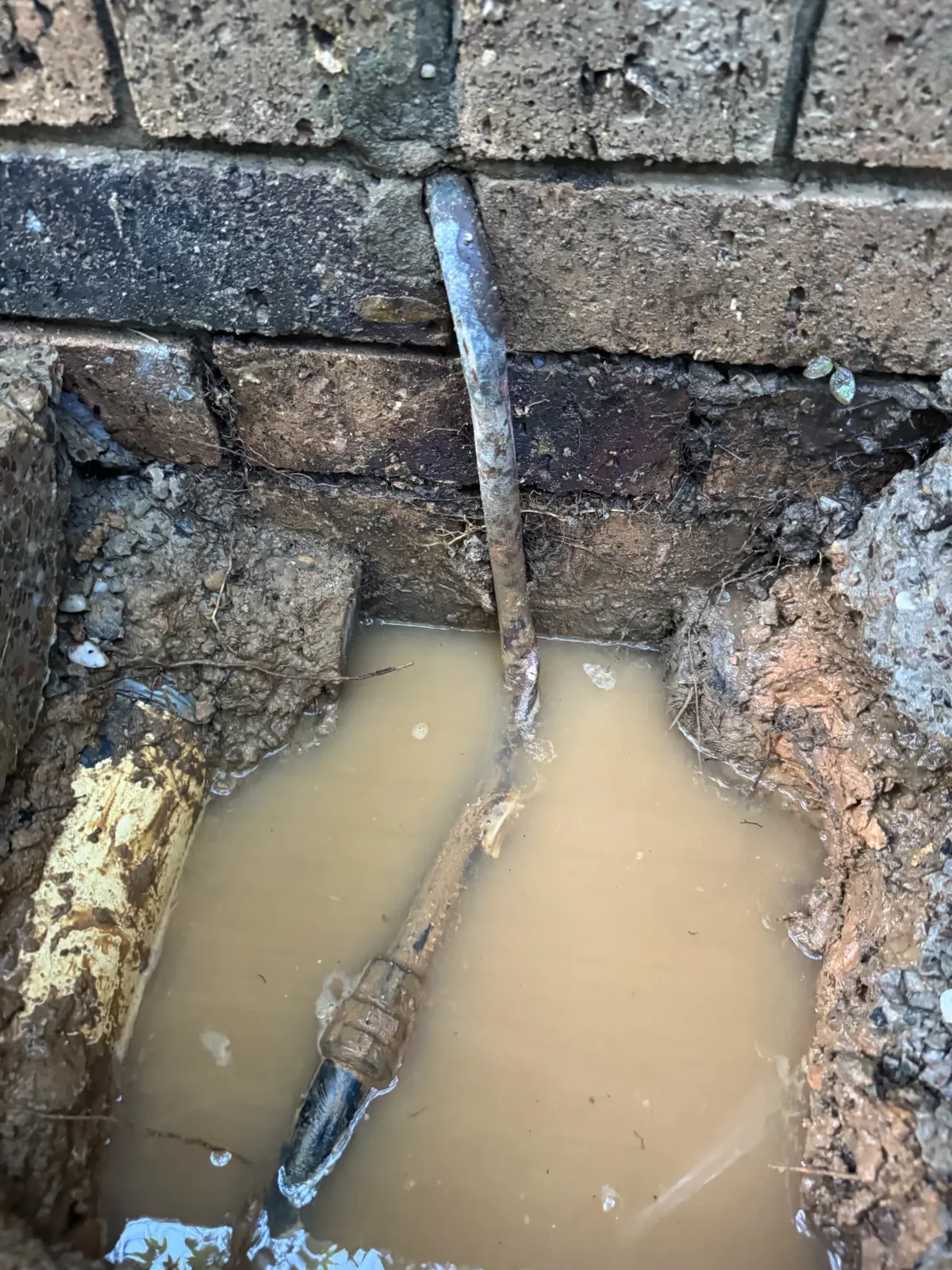
When you rely on reactive call-outs, you are not just paying for the repair. You are paying emergency rates, which can easily double or triple the standard hourly fee, especially if the issue occurs after hours or on a weekend. Furthermore, reactive repairs often involve secondary damage. A minor, undetected leak in a commercial bathroom can slowly rot out cabinetry, damage flooring, and lead to a costly water damage insurance claim. In our experience, the average water damage claim in a commercial setting far exceeds the annual cost of a comprehensive maintenance contract.
Consider the disruption to your tenants. If a major plumbing failure forces a business to close for the day, or leaves a residential strata building without water, the reputational damage and potential loss of rent are significant. A planned maintenance contract flips this script. By scheduling regular inspections and servicing, we identify and resolve minor issues before they escalate into major emergencies. You pay a predictable, budgeted amount, significantly reducing the likelihood of catastrophic failures and the associated premium repair costs.
| Cost Factor | Reactive Plumbing Strategy | Planned Maintenance Contract |
|---|---|---|
| Call-Out Rates | High emergency and after-hours premiums | Pre-agreed, discounted contract rates |
| Repair Scope | Often major, involving secondary property damage | Minor, preventative fixes caught early |
| Tenant Disruption | High risk of unexpected water shut-offs | Scheduled, communicated maintenance windows |
| Budgeting | Unpredictable, prone to massive spikes | Fixed, predictable annual or monthly costs |
| Asset Lifespan | Shortened due to neglect and sudden failure | Maximised through regular servicing |
What Exactly Does a Good Maintenance Contract Include?
Not all commercial plumbing maintenance contracts are created equal. A cheap contract might look good on paper, but if it only covers basic visual inspections, it won't protect your building. A robust contract should be tailored to the specific needs of your property, whether it's a retail centre in Bundall or a logistics hub on the Brisbane southside.
Scheduled Inspections and Preventative Servicing
The core of any good contract is a schedule of regular inspections. This goes beyond just looking for dripping taps. It includes comprehensive checks of all plumbing fixtures, testing water pressure to ensure it's not putting undue stress on your pipes, and inspecting visible pipework for signs of corrosion or wear. For properties with extensive grounds, it also means checking irrigation systems and external drainage.
Roof and Gutter Checks Before Storm Season
On the Gold Coast, storm season can be brutal. Blocked gutters and downpipes are a leading cause of commercial roof leaks, which can devastate office interiors and stockrooms. A comprehensive maintenance contract will include scheduled roof and gutter clearing, typically timed just before the summer storm season hits, ensuring your building's drainage systems can handle heavy downpours.
CCTV Drain Audits
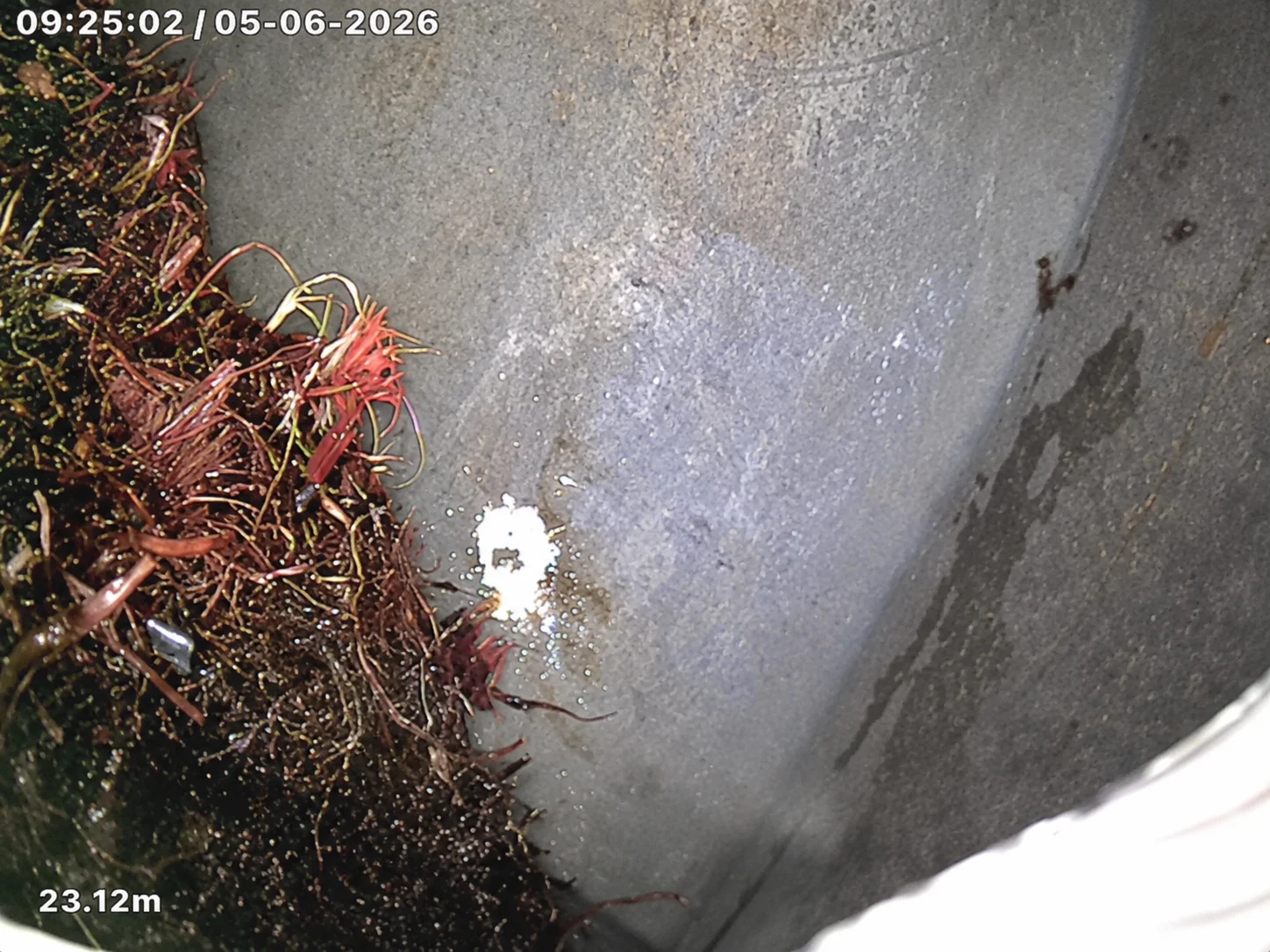
Commercial drainage systems take a beating, especially in hospitality or high-density residential settings. A quality contract should include periodic CCTV drain inspections to assess the condition of your underground pipes. This allows us to identify tree root intrusion, grease build-up, or pipe degradation before they cause a major blockage and sewage overflow.
Hot Water Fleet Servicing
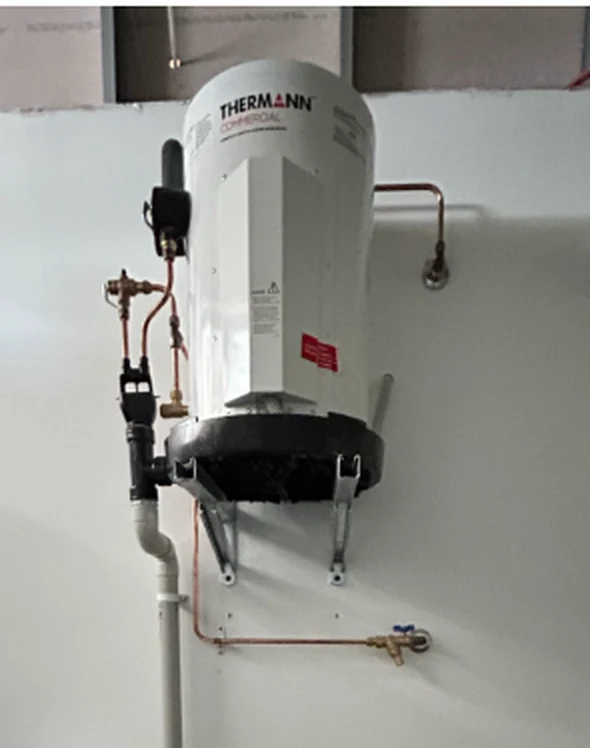
If your building relies on a fleet of commercial hot water systems, regular servicing is non-negotiable. Maintenance contracts should cover the scheduled flushing of tanks, checking of sacrificial anodes, and testing of pressure relief valves. This not only extends the life of these expensive assets but ensures a consistent supply of hot water for your tenants.
Priority Response SLAs and Single Monthly Invoicing
When an emergency does happen, you need to know your plumber will be there fast. A strong contract includes Service Level Agreements (SLAs) that guarantee priority response times for contracted clients. Additionally, from an administrative standpoint, a good contract simplifies your life with a single, consolidated monthly invoice, rather than a chaotic stream of individual repair bills.
The Queensland Compliance Calendar: What You Must Keep Up With
Managing a commercial property in Queensland means adhering to strict compliance regulations. Failing to meet these requirements can result in significant fines from the local council or the QBCC, and can even void your building's insurance. A commercial plumbing maintenance contract takes the headache out of compliance by tracking and managing these critical dates for you.
Annual Backflow Prevention Testing
If your property has a backflow prevention device installed—which is mandatory for most commercial and industrial sites to protect the municipal water supply from contamination—it must be tested annually by a licensed plumber with backflow endorsement. Your maintenance contract should automatically schedule this testing and handle the submission of the required compliance reports to the local council.
Thermostatic Mixing Valve (TMV) Servicing
TMVs are critical safety devices that regulate water temperature to prevent scalding, commonly required in childcare centres, aged care facilities, and accessible commercial bathrooms. Under Queensland regulations, TMVs must be tested and serviced every 12 months. A reliable maintenance contract ensures this testing is never missed, keeping your facility safe and compliant.
Fire Hose Reels and Hydrants
While often managed alongside fire safety contracts, the water supply to fire hose reels and hydrants falls under commercial plumbing. Ensuring these systems have adequate pressure and are free from leaks is a vital part of your building's overall safety and compliance strategy.
How to Scope a Contract: The Per-Building Checklist
When you are ready to implement a commercial plumbing maintenance contract, the first step is a comprehensive site audit. You cannot manage what you do not know you have. At Creative Coast Plumbing & Gas, we start by building a detailed asset register and condition report for your property.
Here is a checklist of what should be scoped when setting up a contract:
- 1. Asset Register Creation: Documenting every hot water system, backflow device, TMV, and major plumbing fixture, including make, model, and age.
- 2. Current Condition Report: Assessing the current state of the plumbing infrastructure to identify any immediate, pre-existing issues that need resolving before the maintenance schedule begins.
- 3. Usage Profiling: Understanding the demands on the building. A busy restaurant in Broadbeach has vastly different plumbing needs than a quiet office block in Robina.
- 4. Access and Security: Documenting access protocols, security clearances, and preferred times for maintenance work to minimise tenant disruption.
- 5. Customised Maintenance Schedule: Developing a tailored calendar of inspections and servicing based on the asset register and usage profile.
Red Flags in Cheap Contracts and Questions to Ask
The plumbing industry is competitive, and you will likely see a range of prices when sourcing a maintenance contract. However, a contract that seems too good to be true usually is. Be wary of contracts that offer extremely low monthly fees but charge exorbitant rates for any actual repair work, or contracts that lack specific detail about what is actually included in an "inspection."
Before signing any commercial plumbing maintenance contract, ask these critical questions:
- Are you fully QBCC licensed and insured for commercial work? Never hire an unlicensed contractor.
- Do you provide a detailed asset register and condition report? You need a baseline of your building's health.
- What are your guaranteed response times (SLAs) for emergencies? You need priority service when things go wrong.
- Are your plumbers equipped with advanced leak detection technology? As commercial leak detection specialists, we use acoustic, thermal imaging, and tracer gas tech to find hidden issues without destroying your property.
- Will I receive a comprehensive, insurance-ready report after each visit? Documentation is crucial for strata committees and insurance purposes.
How Strata Committees Should Budget for Maintenance
For strata committees, budgeting for plumbing maintenance can be a contentious issue. The key is to shift the conversation from "cost" to "asset protection." When presenting a maintenance contract to a committee, focus on the long-term savings.
Highlight the difference between the predictable cost of the contract versus the unpredictable, often massive costs of emergency repairs and water damage claims. Use historical data from the building—how much was spent on reactive plumbing last year? A well-structured commercial plumbing maintenance contract should be viewed as an essential operational expense, much like building insurance or lift maintenance, designed to protect the value of the property and ensure the safety and comfort of its occupants.
Frequently Asked Questions
What is the difference between commercial and residential plumbing maintenance?
Commercial plumbing systems are typically much larger, more complex, and experience significantly higher usage than residential systems. They also involve strict compliance requirements, such as annual backflow and TMV testing, which are rarely required in standard residential homes.
How much does a commercial plumbing maintenance contract cost on the Gold Coast?
The cost varies widely depending on the size of the building, the age of the plumbing infrastructure, and the specific assets that need servicing. A small retail shop might cost a few hundred dollars a year, while a large strata tower in Southport could be several thousand. We provide custom quotes based on a detailed site audit.
Can a maintenance contract help reduce our water bills?
Absolutely. Regular inspections are designed to catch minor leaks—like running toilets or dripping commercial taps—that often go unnoticed but can add thousands of dollars to a commercial water bill over a year.
Do you handle the compliance paperwork for the local council?
Yes. When we perform mandatory testing, such as annual backflow prevention checks, we complete all necessary compliance paperwork and submit it directly to the Gold Coast City Council or Logan City Council on your behalf.
What happens if we have a plumbing emergency outside of scheduled maintenance?
Clients on our commercial plumbing maintenance contracts receive priority response times. If you have an emergency, you jump to the front of the queue, and you will be billed at the pre-agreed, discounted contract rates rather than standard emergency call-out fees.
Secure Your Building's Plumbing Future Today
Stop waiting for the next plumbing disaster to strike. Protect your commercial property, keep your tenants happy, and take control of your maintenance budget with a tailored commercial plumbing maintenance contract from Creative Coast Plumbing & Gas.
Nic and the team bring 18+ years of experience, specialist leak detection technology, and a commitment to straight-talking, reliable service to every job. We provide upfront written pricing and comprehensive, insurance-ready reports.
Call Nic today on 0485 090 185 to arrange a site audit and discuss a maintenance contract designed specifically for your Gold Coast property.
Sound familiar?
Get It Checked Before It Gets Expensive
Same-day leak detection across the Gold Coast — found, fixed and reported in one visit.