When it comes to gas plumbing on the Gold Coast, safety and legality go hand in hand. Whether you are installing a new cooktop in Southport, selling an acreage property with bottled gas in Tallebudgera, or managing a rental property in Broadbeach Waters, understanding the rules around gas compliance is essential. In Queensland, gas work is strictly regulated to protect lives and property, and the primary document proving that your gas installation is safe and legal is the gas compliance certificate.
Navigating the requirements for a gas compliance certificate qld can be confusing for many homeowners and landlords. You might be wondering when exactly you need one, who is authorised to issue it, and what happens if you fail to obtain the correct documentation. At Creative Coast Plumbing & Gas, we frequently field questions from locals who are unsure about their obligations under Queensland law.
This comprehensive guide breaks down everything you need to know about gas compliance certificates on the Gold Coast. We will explore the legal requirements, the differences between natural gas and LPG setups across our suburbs, the specific obligations for landlords, and the realistic costs involved. By the end of this article, you will have a clear understanding of how to keep your property compliant, safe, and fully insured.
What Is A Gas Compliance Certificate In Queensland?
A gas compliance certificate, sometimes referred to as a gas certificate or a gas compliance plate (which is the physical metal or durable sticker attached to the installation), is an official legal document. It certifies that specific gas work has been completed by a licensed professional and complies with all relevant Australian Standards and Queensland safety regulations, primarily the Petroleum and Gas (Production and Safety) Act 2004.
Think of it as a roadworthy certificate for your home's gas system. It provides a documented guarantee that the installation, alteration, or repair has been tested for leaks, that appliances are operating correctly, and that the entire setup poses no risk of fire, explosion, or carbon monoxide poisoning.
In Queensland, only a licensed gas fitter—someone who holds the appropriate qualifications and is registered with the relevant authorities—can legally issue a gas compliance certificate. When a gas fitter completes a job that requires certification, they must provide a copy of the certificate to the person who commissioned the work (usually the homeowner or landlord) and, in many cases, submit a copy to the gas supplier or the regulatory body. They will also affix a compliance plate to the installation, typically inside the meter box or near the gas cylinders, detailing the work done, the date, and their licence number.
The compliance certificate is not just a piece of paper; it is a critical safety record. It provides a traceable history of the gas work performed on a property, which is invaluable for future maintenance, property sales, and insurance purposes. Without this certificate, there is no official record that the gas installation meets the stringent safety standards required in Queensland.
When Is A Gas Compliance Certificate Legally Required?
Not every minor adjustment to a gas appliance requires a formal certificate, but any significant work absolutely does. The laws in Queensland are designed to ensure that any time the integrity of a gas system is altered, it is thoroughly checked and signed off by a professional.
Here are the primary situations where you are legally required to obtain a gas compliance certificate:
1. Installing New Gas Appliances
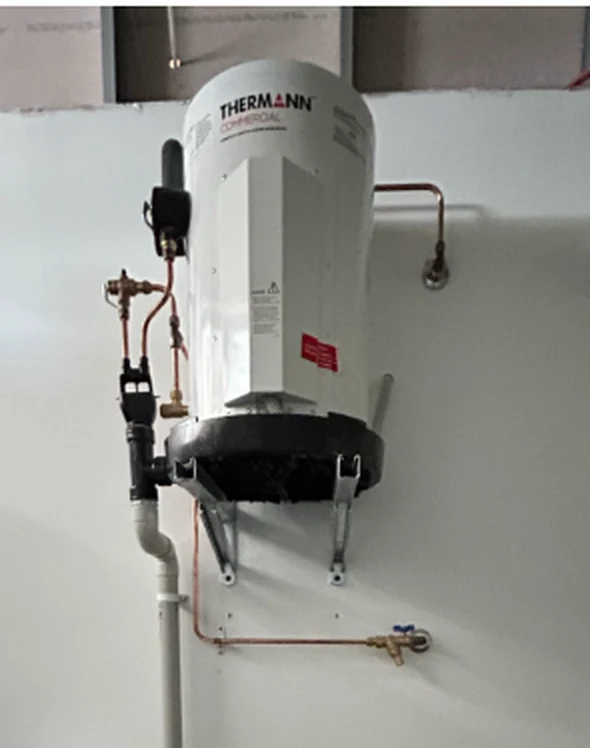
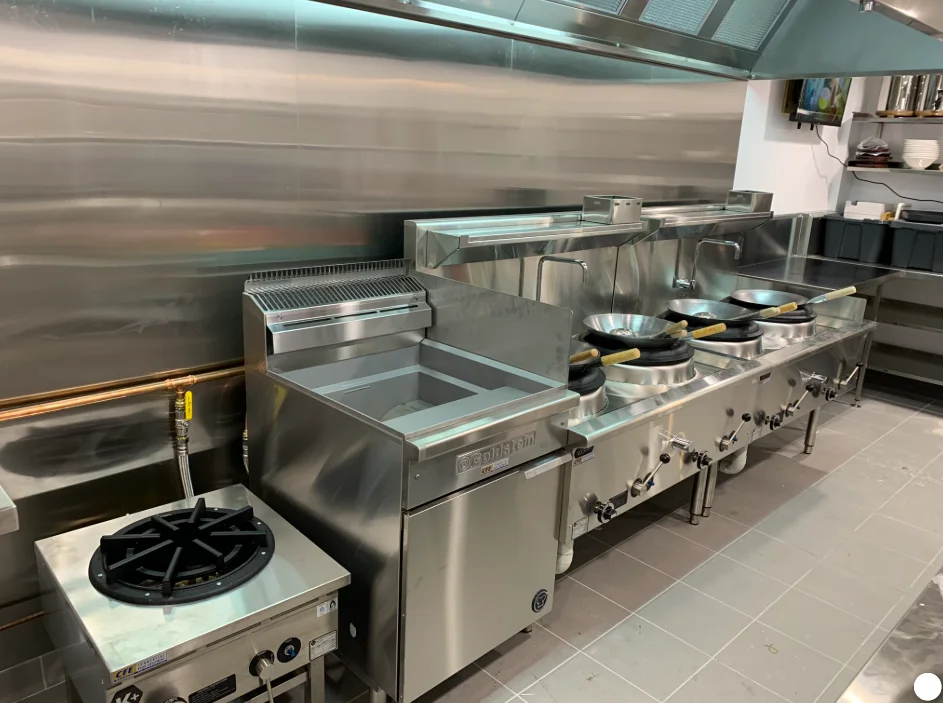
Any time a new gas appliance is installed and connected to the gas supply, a certificate must be issued. This includes installing a new gas cooktop in your kitchen renovation, fitting a new gas hot water system, or adding a gas heater to your living room. The certificate proves that the appliance has been connected safely, the ventilation is adequate, and the operating pressure is correct. This applies to both indoor and outdoor appliances, including built-in BBQs and outdoor heaters that are permanently connected to the gas supply.
2. Altering Or Extending Existing Gas Pipework
If you are renovating your home and need to move gas pipes, or if you are extending your gas line to accommodate a new outdoor BBQ area, this constitutes major gas work. A licensed gas fitter must test the new pipework for leaks and issue a compliance certificate to confirm the alterations meet safety standards. Even seemingly minor changes to the pipework require certification to ensure the entire system remains sound and leak-free.
3. Converting Appliances (Natural Gas to LPG or Vice Versa)
Appliances are designed to run on either natural gas or Liquefied Petroleum Gas (LPG), and they operate at different pressures. If you move to a suburb without reticulated natural gas and need to convert your existing cooktop to run on bottled LPG, this conversion must be performed by a licensed gas fitter who will then issue a compliance certificate. The conversion process involves changing the jets and adjusting the pressure regulator, which must be done precisely to ensure safe and efficient operation.
4. Property Sales Involving LPG
While selling a standard residential home with natural gas does not automatically trigger the need for a new gas certificate, the rules are different for properties relying on bottled LPG. In Queensland, if you are selling a property with an LPG installation, you are generally required to provide the buyer with a current gas compliance certificate. This is particularly relevant for acreage properties in suburbs like Mudgeeraba or Tallebudgera, where reticulated gas is unavailable. The certificate assures the buyer that the LPG cylinder installation and connected appliances are safe and compliant with current regulations.
5. Caravans And Motorhomes
It is worth noting that gas compliance laws also apply to mobile homes. If you own a caravan or motorhome with gas appliances, you must have a valid gas compliance certificate, especially when selling the vehicle or registering it in Queensland for the first time. The confined space of a caravan makes gas safety even more critical, and the certification process ensures that ventilation and appliance operation meet strict standards.
Who Can Issue A Gas Compliance Certificate?
It is a common misconception that any plumber can sign off on gas work. In reality, plumbing and gas fitting are distinct trades with separate licensing requirements. While many professionals, like our team at Creative Coast Plumbing & Gas, hold dual licences, you must ensure the person doing your gas work is specifically licensed for it.
In Queensland, a gas compliance certificate can only be issued by a licensed gas fitter. This individual must hold a current gas work licence issued under the Petroleum and Gas Act. The licensing process involves rigorous training and assessment to ensure the gas fitter has the necessary knowledge and skills to perform gas work safely and competently.
When hiring someone for gas work, you should always ask to see their licence. A legitimate gas fitter will be happy to provide their licence number, which you can verify online through the relevant regulatory authority. Using an unlicensed person to perform gas work is not only illegal but incredibly dangerous, and it will void your home insurance. It is simply not worth the risk to save a few dollars on an unlicensed tradesperson.
Landlord Obligations For Rental Properties In QLD
If you own an investment property on the Gold Coast, your responsibilities regarding gas safety are strict. Landlords have a legal duty of care to ensure that the rental property is safe for tenants, and this includes all gas installations and appliances provided as part of the tenancy.
While Queensland law does not currently mandate an annual gas safety check in the same way some other jurisdictions do, landlords are required to ensure that all gas appliances are maintained in a safe working condition. If a tenant reports a fault with a gas heater or cooktop, it must be addressed promptly by a licensed professional. Ignoring such reports can lead to serious safety hazards and potential legal liability for the landlord.
Whenever a new gas appliance is installed in a rental property, or significant repairs are made, the landlord must obtain and retain the gas compliance certificate. Property managers will typically insist on having a copy of this certificate on file before they will authorise payment for the work. This documentation provides proof that the landlord has fulfilled their duty of care and that the gas installation is safe for the tenants.
For peace of mind and to mitigate liability, many proactive landlords on the Gold Coast opt for regular inspections. We highly recommend reviewing our Gas Safety Checklist to understand what should be checked annually to keep your tenants safe and your investment protected. Regular maintenance not only ensures safety but also extends the lifespan of the gas appliances, saving landlords money in the long run.
Natural Gas vs. LPG On The Gold Coast
The type of gas supply your property uses can influence your compliance requirements, particularly when it comes to selling your home. The Gold Coast has a mixed gas infrastructure, meaning the rules apply differently depending on where you live.
Reticulated Natural Gas
Many established and densely populated suburbs, such as Southport, Runaway Bay, and Broadbeach Waters, have access to reticulated natural gas. This means the gas is piped directly to your home from the street mains, much like your water supply. For these properties, compliance certificates are required for new installations and alterations, but typically not just for the act of selling the property (unless new work was done as part of the sale preparation). Natural gas is generally considered more convenient as it provides a continuous supply without the need for cylinder replacements.
Bottled LPG
In newer estates, acreage areas, and suburbs further inland like Nerang, Mudgeeraba, and Tallebudgera, reticulated natural gas is often unavailable. Homes in these areas rely on bottled LPG, usually supplied in large 45kg cylinders exchanged by a local provider.
LPG installations have specific compliance requirements regarding the placement of the cylinders. They must be a certain distance from drains, windows, doors, and ignition sources (like air conditioning units or electrical switches). Because LPG is heavier than air, it can pool in low-lying areas if there is a leak, making correct cylinder placement critical. As mentioned earlier, selling a property with an LPG setup usually requires a current gas compliance certificate to prove the cylinder installation and connected appliances meet current safety standards.
The Inspection Process: What Does A Gas Fitter Check?
When a licensed gas fitter from Creative Coast Plumbing & Gas arrives to issue a compliance certificate, they don't just sign a piece of paper and leave. The certification process involves a rigorous inspection and testing procedure to ensure every component of the system is safe.
Here is what a typical compliance inspection involves:
- 1. Visual Inspection: We check the physical condition of the gas appliances, pipework, and ventilation. We ensure that appliances are installed according to the manufacturer's specifications and that there is adequate airflow to prevent carbon monoxide build-up. We also look for any signs of wear, corrosion, or damage that could compromise the safety of the installation.
- 2. Pressure Testing: This is a critical step. We use specialised manometers to test the gas lines for pressure drops, which would indicate a leak somewhere in the system. As leak detection specialists, we have the advanced equipment necessary to pinpoint even the smallest pressure anomalies. This testing ensures that the entire gas system is sound and leak-free.
- 3. Appliance Operation: We test fire the appliances to ensure they are burning correctly. A healthy gas flame should be crisp and blue; a yellow or sooty flame indicates incomplete combustion and a potential carbon monoxide hazard. We also check that the appliance controls are functioning properly and that safety devices, such as flame failure devices, are operating as intended.
- 4. Clearance Checks: For LPG systems, we verify that the cylinders are positioned at the correct legal distances from openings and ignition sources. We also ensure that the cylinders are securely mounted and that the surrounding area is clear of combustible materials.
- 5. Documentation: Once we are satisfied that the installation is 100% safe and compliant, we complete the compliance certificate, provide you with a copy, and affix the compliance plate to the installation. The compliance plate serves as a permanent record of the certification and provides important information for future reference.
Penalties And Insurance Implications Of Uncertified Work
The temptation to save a few dollars by doing DIY gas work or hiring an unlicensed "handyman" can have devastating financial and legal consequences.
Legal Penalties
In Queensland, performing unlicensed gas work is a serious offence. The regulatory bodies actively investigate reports of illegal gas work, and the fines can be substantial. Individuals caught performing unlicensed gas work can face fines running into the tens of thousands of dollars, and in severe cases where the illegal work results in injury or death, criminal charges can apply. The law is designed to deter unqualified individuals from tampering with gas systems, as the risks are simply too high.
Voided Home Insurance
Perhaps the most immediate financial risk of uncertified gas work relates to your home insurance. Insurance policies require you to maintain your property legally and safely. If a fire or explosion occurs at your home and the investigation reveals it was caused by uncertified, illegal gas work, your insurance provider will almost certainly deny your claim. You could be left entirely out of pocket for the cost of rebuilding your home and replacing your possessions. This is a risk that no homeowner should be willing to take.
Always insist on a gas compliance certificate. It is your only proof that the work was done legally and your insurance remains valid. It provides peace of mind knowing that your home and family are protected.
Realistic Costs For Gas Certification On The Gold Coast
Pricing for gas compliance work can vary depending on the complexity of the job, but we believe in upfront, transparent pricing. While we cannot give an exact quote without assessing the specific installation, here are the commonly quoted ranges you can expect on the Gold Coast in 2026:
- Standard Compliance Certificate (with minor installation): If you are having a straightforward appliance replacement (like swapping an old gas cooktop for a new one in the same location), the cost of the certificate is usually built into the installation fee. You might expect to pay between $250 and $450 for the complete job, including the certificate. This covers the cost of the appliance installation, the safety testing, and the issuance of the certificate.
- Inspection and Certification for Property Sale (LPG): If you need a gas fitter to attend your property solely to inspect an existing LPG setup and issue a certificate for a sale, the cost typically ranges from $150 to $250. This covers the time required to perform the comprehensive inspection and complete the necessary paperwork.
- Complex Installations or Alterations: If the job involves running new gas lines, altering pipework, or complex conversions, the cost will be based on the time and materials required. In these cases, the certificate is a small administrative part of a larger invoice. We will provide a detailed quote outlining all costs before commencing any work.
At Creative Coast Plumbing & Gas, we provide upfront written pricing before we start any work, so you know exactly what the job—and the certification—will cost. We believe in transparency and ensuring our customers are fully informed throughout the process.
Decision Table: Do I Need A Gas Compliance Certificate?
To help you quickly determine your obligations, use this simple reference table:
| Situation | Is a Gas Compliance Certificate Required? |
|---|---|
| Installing a new gas cooktop or oven | Yes |
| Replacing an existing gas hot water system | Yes |
| Moving gas pipes during a kitchen renovation | Yes |
| Converting a BBQ from natural gas to LPG | Yes |
| Selling a house with reticulated natural gas | No (unless new gas work was done for the sale) |
| Selling a house with bottled LPG | Yes (generally required for the LPG installation) |
| A tenant reports a gas smell | Immediate inspection required (certificate needed if repairs are made) |
| Changing the gas bottle on your BBQ | No (routine maintenance) |
Note: Queensland gas regulations can be complex and subject to updates. If you are ever in doubt about your specific situation, the safest course of action is to consult with a licensed gas fitter.
Frequently Asked Questions
How long is a gas compliance certificate valid for in QLD?
A gas compliance certificate does not have a strict "expiry date" in the way a car registration does. It certifies that the work was compliant at the time it was completed. However, if you are selling an LPG property, buyers and conveyancers will typically expect a certificate that has been issued recently (often within the last 3 to 6 months) to prove the current state of the installation. This ensures that the installation has not been altered or degraded since the certificate was issued.
Can I sell my house without a gas compliance certificate?
If your home uses reticulated natural gas and you haven't had any recent gas work done, you generally do not need a certificate to sell. However, if your property relies on bottled LPG, you are usually required to provide a current compliance certificate to the buyer to prove the cylinder installation meets safety standards. It is always best to check with your conveyancer or real estate agent to confirm the specific requirements for your property sale.
What does a gas compliance plate look like?
A gas compliance plate is typically a small metal tag or a highly durable, weather-resistant sticker. It will be engraved or printed with the gas fitter's licence number, the date the work was completed, and a brief description of the installation or appliance. It is usually affixed inside the gas meter box or near the LPG cylinders. The plate serves as a permanent, visible record of the certification.
I lost my gas compliance certificate. What should I do?
If you have lost the paper copy of your certificate, you should first contact the licensed gas fitter who performed the work. They are required by law to keep records of the certificates they issue and can usually provide you with a copy. If you cannot contact the original gas fitter, you may need to hire a new licensed professional to inspect the installation and issue a new certificate. This will involve a full inspection and testing process to ensure the installation is still compliant.
Does Creative Coast Plumbing & Gas issue compliance certificates?
Yes. As fully licensed gas fitters (QBCC licensed), we issue gas compliance certificates for all the gas installation, alteration, and repair work we perform. We ensure all our work meets the strict Queensland safety standards. We take our responsibility seriously and are committed to providing safe and compliant gas services to our customers.
Need A Licensed Gas Fitter On The Gold Coast?
Navigating gas compliance doesn't have to be stressful. Whether you need a new appliance installed, require certification for a property sale, or suspect you might have a gas leak, you need a local expert you can trust.
At Creative Coast Plumbing & Gas, Nic and the team bring over 18 years of experience to every job. We are fully QBCC licensed, insured, and equipped with the latest non-destructive leak detection technology. We pride ourselves on our straight-talking advice, upfront written pricing, and our commitment to doing the job right the first time.
If you need a gas fitter on the Gold Coast or are planning a gas appliance installation, don't leave your safety to chance.
Call Creative Coast Plumbing & Gas today on 0485 090 185 for expert, compliant gas services you can rely on.
Sound familiar?
Get It Checked Before It Gets Expensive
Same-day leak detection across the Gold Coast — found, fixed and reported in one visit.